How Human-Centred Conversations Can Overcome Resistance to Change
Everyone knows what needs delivering, and yet nothing's moving.
I've lost count of the leaders who've told me that ‘the people are the problem’.
They're not wrong. We're not robots. We're emotional thinkers and decision-makers.
But it's usually said with resignation or blame. As if they, the leader, have no influence.
But they do. They can and must take responsibility for influencing the behaviour.
Having worked in marketing, I fully understand that feelings are what people act on, and we must give some serious thought to how we shape those feelings.
Decisions are rarely made on logic. They're made when what’s being communicated speaks to our human side.
Our actions and decisions are a reflection of how we feel. Worried about workload, we resist. Unsure who's responsible for what, we hold back. If the last change was mishandled, why should we trust this one?
I saw it in information systems teams. When implementing new technology, the hardest projects to deliver were those that were implemented without a story. No understanding of purpose or benefits.
So, when change stalls or growth is slow, it’s not a question of ‘Why are they being so difficult? But ‘What's creating this reaction?’
I love helping get things moving. Delving into the reality of the situation, insights from honest conversations. Facilitating the difficult conversations, then co-creating the solutions.
It’s about having the right, human-centred conversations with the right people and helping leaders to do the same.
Better conversations don't happen by accident. They're designed.
You need to switch from delivering information to creating communications (and experiences) that connect, engage and motivate.
The kind of conversations where finance hears what ops is challenged with. Where the tech lead says the honest thing and nobody starts frowning. Where marketing and sales teams are understood and supported. Where people see the problem through someone else's eyes.
Connection leads to collaboration. Engagement turns ‘I've been told to, into ‘I'm in.’ That's how change happens, and how growth starts.
So, what can you do?
Being more human means being intentional when it comes to:
Insights: Find out what people are concerned about so they can be addressed in your communication
Opinions: Put key stakeholders such as finance, R&D, marketing, project delivery etc in the same room and let them hear each other's points of view.
Honesty. Name what's hard. Admitting it isn’t going to be easy. This builds trust and, when done well, unity.
As a manager sat in the middle (who’s managing the plan and the people), what friction are you feeling?
And how can you understand it better, so it can be managed in the best way?
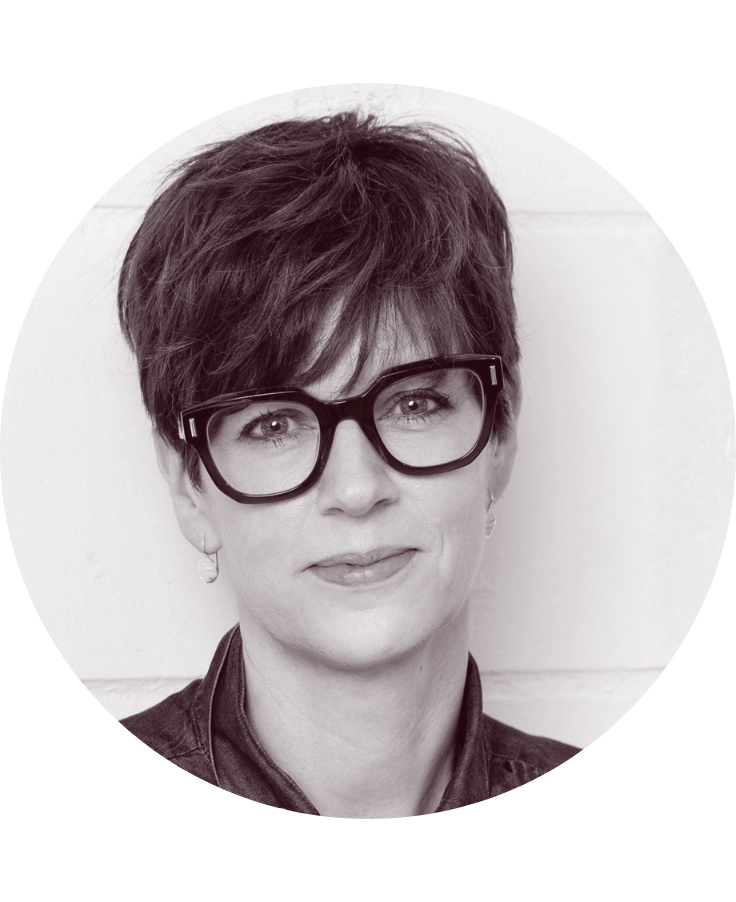
About the Author: Lucy Day works as Strategic Leadership Advisor Associate for Life Sciences & Tech. She helps organisations and teams move forward faster by getting beneath the surface of what’s slowing progress down. Blending behavioural science, human‑centred design and emotional intelligence, she co‑creates the conversations, communications and environments that shift behaviour and create momentum.
Ready to lead change with confidence? Discover how Alma Business Consulting can help you build trust and inspire collaboration.